
Posted in Blog on August 31, 2026
How to Relieve Ragweed Allergies & Enjoy Fall in the Scenic City
Reviewed by Curt Chaffin, MD
In the Greater Chattanooga area, fall is one of the most beautiful times of the year. With the leaves changing, it’s the perfect season to enjoy the “Scenic City.”
However, for many people, fall can also be one of the most challenging times to be outdoors. As the season arrives, ragweed pollen peaks and often triggers allergies. That’s why it’s important to recognize and treat ragweed allergy symptoms early, so you can find relief and enjoy all the outdoor adventures Chattanooga has to offer.
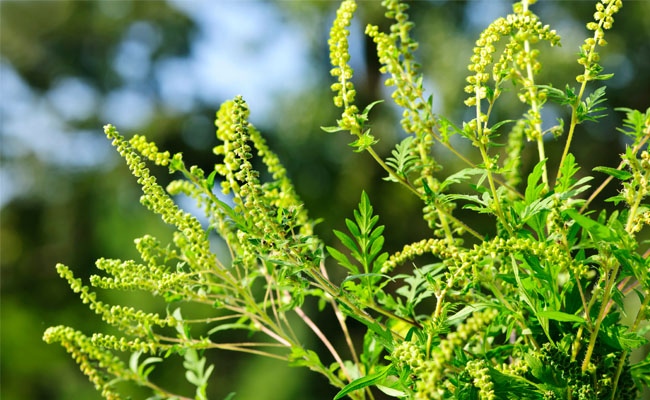
What is Ragweed?
Ragweed is a common weed that grows throughout the United States, particularly in the Eastern and Midwestern regions (including Tennessee and Georgia). It may appear harmless, but a single ragweed plant can release up to a billion pollen grains in one season!
As summer fades into fall and nights grow longer, ragweed matures and releases its pollen into the air. Because its pollen is light and easily carried by the wind, ragweed can spread quickly and far, making it a common cause of fall allergies.
When is Ragweed Season?
Ragweed season typically begins in August and lasts until the first hard frost. In most areas, ragweed pollen levels peak around mid-September and continue through October and into early November.
What Are the Symptoms of a Ragweed Allergy?
Ragweed allergies can range from mild to severe and can especially affect people with seasonal allergies, also known as seasonal allergic rhinitis or hay fever.
Common symptoms include:
- Nasal congestion
- Sneezing
- Coughing
- Itching in the nose, mouth, eyes or throat
- Red and watery eyes
- Puffy and swollen eyelids
For those with asthma, a ragweed allergy can also trigger asthma symptoms such as wheezing, coughing, chest tightening and shortness of breath.
How is a Ragweed Allergy Diagnosed and Treated?
At The Allergy Asthma Group of Galen, we use environmental allergy testing to confirm if ragweed is the cause of your symptoms. Our board-certified allergists perform a skin test by applying a small drop containing ragweed pollen to the skin to see if a reaction occurs.
Once your allergy is confirmed, we appropriately tailor medication treatments during the ragweed season to help you find relief.
Do Allergy Shots Work for Ragweed?
Yes! We offer allergy shots to help desensitize your body to ragweed over time. Allergy shots are a more natural, long-term alternative to medications and are made with ragweed extract purified from ragweed fields. By receiving controlled doses through regular injections, your immune system gradually builds antibodies to fight off ragweed allergens.
Tips to Reduce Ragweed Allergy Symptoms
If you have a ragweed allergy, there are practical steps you can take to limit your exposure during ragweed season.
• Keep windows closed in your home and car.
• Be aware of pollen on your clothes, skin and pets. Shower soon after being outside and wipe off your pets when they come inside.
• Avoid drying clothes outside during ragweed season.
• Monitor daily pollen counts in your area and try to plan outdoor activities when levels are lower.
• Improve air quality by using air filters and humidifiers indoors.
Find Relief From Your Ragweed Allergy
If you have experienced or are experiencing ragweed allergy symptoms, our allergists can help identify the cause and create a personalized treatment plan for you. Get relief by scheduling an appointment today!
See An Allergy Specialist Near You